Getting Started
How to connect software to your own brokerage account and what each broker allows: setup guides, API comparisons on cost, order types and rate limits, and the settings that decide how an auto-trader behaves. Written from the integrations we run, with the brokers' own documentation cited.
47 articles, newest first
NewOct 25, 2026 / 8 min read
Best Broker API for Automated Trading With Real-Time Data in 2026: What Each Feed Covers, Where It Stops, and What It Costs
The brokers that hand software a usable real-time feed with the account: Alpaca (free IEX with a 30-symbol cap, or $99 a month for every exchange), Tradier (included), tastytrade (DXLink under a per-user token), Interactive Brokers ($10 a month, waivable), Schwab (free, but a user login for every token), and the crypto exchanges (public, no key). The feeds, the limits, and the pricing that matters for automation.
NewOct 24, 2026 / 8 min read
Which Broker APIs Support Bracket, OCO and Trailing Stop Orders in 2026: The Order-Type Matrix for Automated Trading
Only Alpaca and Schwab accept a true bracket order in one API call. Tradier and tastytrade need two steps, and Kraken, Crypto.com and E*TRADE have no linked exits at all. Here is the full matrix of seven broker APIs on brackets, OCO, trailing stops, stop-limits, time in force, extended hours and fractional orders, with sources.
NewOct 23, 2026 / 8 min read
Best Brokers for Automated Trading and High-Frequency Orders in 2026: Every API Rate Limit Compared, and What Happens When You Exceed It
No retail broker API is high-frequency infrastructure. Here is each broker's documented ceiling: Crypto.com 15 orders per 100 ms, Kraken's 60 to 180 order counter, IBKR 10 requests a second, Alpaca about 200 a minute, Schwab 120 orders a minute, plus Tradier, tastytrade and Webull, what an overrun does, and which fits which kind of automation.
NewOct 22, 2026 / 7 min read
Is Robinhood or Schwab Cheaper for Active Traders? The 2026 Math on Stocks, Options and Margin, and What Schwab's Price Buys
Stocks cost the same at both. Options are $0.04 a contract at Robinhood against $0.65 at Schwab, and margin is 5.25% against 12.075% under $25,000. For a trader doing 200 contracts a month on a $20,000 margin balance, the year comes to about $1,393 at Robinhood and $4,222 at Schwab, from both brokers' own fee pages. What Schwab's price buys is a trading API and one login for everything; Robinhood has no third-party stock API.
NewOct 22, 2026 / 8 min read
Best Broker API for Automated Options Trading in 2026: Schwab, tastytrade, Tradier and Alpaca Compared on Fees, Multi-Leg Orders, Sandboxes and Token Life
Four US brokers let an individual place options orders through an API: Schwab, tastytrade, Tradier and Alpaca. We compare them on what you pay per contract, multi-leg support, sandboxes, index options, and the login details we learned building integrations with all four (Schwab's seven-day token, tastytrade's and Tradier's that never expire). The cost table: 20 two-leg spreads a month run $260 at Schwab, $200 at tastytrade, $140 on Tradier Lite, $10 on Tradier Pro and $0 at Alpaca before regulatory fees.
Oct 18, 2026 / 8 min read
How to Automate Crypto Trading on Kraken With JorgAI: Setup in Six Steps and What We Learned Placing Real Orders
JorgAI now connects to Kraken. The six-step setup with a trade-only API key, which permissions to tick and which to leave off, why no IP allow-list is needed, and six things we learned testing it with real ten-dollar orders: buy fees come from USD so nothing is left as dust, dollar-sized buys land exactly, every pair has a minimum, Kraken takes stop orders but JorgAI keeps the exits on its own monitors, and how out-of-order requests are handled.
Oct 18, 2026 / 8 min read
Is There a Best Day of the Week to Buy Stocks? The Monday Effect, Counted on Every S&P 500 Day Since 1950
We grouped every S&P 500 close since 1950 by weekday. Monday was the only losing day (-0.045% on average, up 50% of the time) and held 11 of the 20 worst days in the record, while $100 invested only on Wednesdays grew to about $1,758 against $15 for Mondays. Then we split the record: since 2000 the Monday effect has vanished, and in 2026 Monday is the best day. Why it existed, why it faded, what still holds, and what it should change about your rules.
Oct 17, 2026 / 9 min read
Stock Market Seasonality: Every Month Ranked Since 1950, and Whether "Sell in May" Still Works
We ranked every calendar month from the S&P 500's month-end closes since 1950. November is the best month (+1.86% average, up 70% of the time), September the only negative one, and the November-to-April half has averaged 7.0% against 2.1% for May to October. We re-ran it since 2000, placed 2026 in the table, and worked out what seasonality should and should not change about your rules before the strong half starts on November 1.

Oct 17, 2026 / 8 min read
How to Automate Crypto Trading on Crypto.com Exchange With JorgAI: Keys, the IP Whitelist, and What the API Will and Will Not Do
JorgAI now connects to the Crypto.com Exchange. Here is the setup, step by step, plus what we learned placing real test orders: the App and the Exchange are separate balances, a key can read your balance and still have every order rejected, the API does not accept stop orders so JorgAI runs them on its servers, market buys floor to the increment, and fees come out of the coin on buys.
Oct 17, 2026 / 7 min read
Is It Safe to Give a Trading Bot Your Exchange API Key? Permissions, IP Whitelists and Withdrawal Rights Explained
An API key does exactly what its permissions say. A trading-only key can read balances and place orders inside your account; without withdrawal permission it can never move funds out. What each permission means, how Crypto.com's IP whitelist works and why the address can be public, what a leaked key could really do, how JorgAI stores keys, and a five-minute check before you paste one anywhere.
Oct 15, 2026 / 9 min read
How Often Does the Stock Market Go Up? Every S&P 500 Day, Week, Month and Year Since 1950, Counted
The S&P 500 closed higher on 53% of trading days since 1950, 74% of years, and 100% of fifteen-year windows. We counted all 19,314 days: the odds by holding period, what a losing streak does to tomorrow (almost nothing), the longest streaks, the daily up rate by decade and for 2026, and what the base rates mean for your rules.
Oct 12, 2026 / 11 min read
Cash Account vs Margin Account: T+1 Settlement, Good Faith Violations, Margin Calls, and Which One an Automated Trader Should Use
A cash account spends only settled money; a margin account borrows against your holdings. How T+1 settlement works on the real calendar, the two violations that freeze cash accounts for 90 days, what a margin call does, what changed when PDT ended, and what four brokers actually report as spendable money.
Sep 27, 2026 / 8 min read
Does thinkorswim Have an API? What You Can Automate in 2026, and How to Go Further
thinkorswim has no public API of its own, and thinkScript strategies cannot place live trades. What the platform automates by itself, where it stops, and how the Schwab Trader API fills the gap for a fully automated account.
Sep 26, 2026 / 10 min read
How to Automate Stock Trading Without Coding: The 2026 No-Code Guide
You do not need to write Python to automate trading in 2026. The three no-code approaches explained honestly: broker-native conditional orders, no-code strategy builders, and managed AI auto-traders, with what each costs, what you give up by not coding, which brokers support them, and how to test any of it with zero money at risk.
Sep 25, 2026 / 8 min read
Q4 2026 Stock Market Outlook: The 5 Forces That Will Decide the Quarter
Q4 2026 opens October 1 with record valuations, a live Fed hike debate on October 27-28, slowing job growth, $100 oil, and the strongest seasonal quarter on record. What history says, the dates that matter, and how to position without predicting.
Sep 25, 2026 / 7 min read
Best Trading Bots for tastytrade in 2026: Every Platform That Actually Connects
Which automated trading platforms support tastytrade? An honest 2026 comparison: JorgAI for AI stock and ETF auto-trading, Option Alpha and Whispertrades for options automation, and the DIY Open API route, with how to choose between them.

Sep 25, 2026 / 8 min read
Automated Trading on tastytrade: The 2026 Setup Guide
How to automate a tastytrade account with no code: the one-click OAuth connection, the 2FA requirement, the risk settings to configure first, what the AI trades, and the real errors you might hit with what they mean.
Sep 25, 2026 / 6 min read
JorgAI Now Supports tastytrade: One-Click AI Auto-Trading That Never Needs Re-Authorizing
tastytrade is JorgAI's fourth supported broker: one-click OAuth sign-in, commission-free stock trades, and the only connection that never expires. What it supports, how to connect in about a minute, and why that matters for automated trading.
Sep 24, 2026 / 8 min read
The PDT Rule Is Gone: What the End of the $25,000 Day Trading Minimum Means in 2026
The Pattern Day Trader rule was eliminated June 4, 2026: no more $25,000 minimum, no more counting day trades. What FINRA's Rule 4210 amendments changed, the intraday margin standard that replaced it, the broker phase-in catch, and what the new freedom means for small accounts.

Sep 24, 2026 / 7 min read
September 2026 Jobs Report: 29,000 Jobs Added, Unemployment at 4.2%, and What It Means
The September 2026 jobs report showed 29,000 jobs added against forecasts near 90,000, unemployment up to 4.2%, and 60,000 jobs revised away from July and August. The results, and how to read any jobs report.
Sep 23, 2026 / 6 min read
Paper Trading Is Now on Every JorgAI Account: Test the AI With Simulated Money
Every JorgAI account now includes paper trading via a free Alpaca paper account: real-time data, simulated money, your real settings. The 5-minute setup, what to test during your evaluation, and the honest limits.

Sep 22, 2026 / 7 min read
SpaceX Just Doubled Its Weight in the Nasdaq-100. Here's What That Means for Your Index Funds
SpaceX's Nasdaq-100 weighting jumped from about 1.28% to 2.82% at this week's rebalance. Whether you own it, how index weightings actually work, and what rising concentration means for passive investors.
Sep 22, 2026 / 7 min read
PCE vs CPI: The Inflation Number the Fed Actually Watches (Next PCE Report October 29)
The Fed's 2% target is written against core PCE, not CPI. What PCE measures, why it runs cooler than CPI, where the latest readings stand (August PCE 3.4%, core 3.0%; September CPI 3.7%), and why the next PCE report on October 29 lands two days after the Fed's decision.

Sep 19, 2026 / 9 min read
ETFs vs Individual Stocks: Why Retail Investors Are Switching in 2026 (and What You Give Up)
Schwab's August data shows retail money rotating into diversified ETFs. What ETFs give you, what single stocks demand, the quiet concentration risk inside broad funds, and the core-plus-sleeve structure most investors actually land on.

Sep 13, 2026 / 7 min read
Automated Roth IRA in 2026: How It Works, the Best Options, and What Not to Automate
How automated Roth IRAs work in 2026: Schwab's free robo (with its cash-allocation catch), SoFi's no-minimum IRA, Robinhood's match, and Betterment. Plus the honest answer on why active trading automation belongs in a taxable account instead.
Sep 13, 2026 / 8 min read
Robinhood vs Charles Schwab in 2026: Fees, Features, and the Automation Difference
Robinhood vs Charles Schwab compared honestly for 2026: identical $0 stock trades, Robinhood's cheaper options and IRA match, Schwab's full-service depth, and the difference nobody covers: Schwab has an official trading API and Robinhood has none.
Sep 12, 2026 / 7 min read
Alpaca Paper Trading in 2026: Setup, What to Test, and the Honest Limits
How Alpaca paper trading works: free simulated accounts with the same API as live, how to set up paper keys, what to actually test (exits, sizing, failure modes), and the honest limits of simulated fills.
Sep 12, 2026 / 8 min read
Tradier Review 2026: Fees, API, and Automated Trading From Real Production Experience
An honest Tradier review from a platform that runs live automation on it: Lite's $0.35 per-trade math, Pro's $10/mo commission-free options, the API's real strengths, whole-share sizing, and who the broker actually fits.

Sep 12, 2026 / 8 min read
Schwab Automated Investing in 2026: Intelligent Portfolios vs Automated Trading
Schwab automated investing means two things: Intelligent Portfolios (their $0-fee robo with a $5,000 minimum and a cash-allocation catch) and automated trading through Schwab's Trader API. What each does, honest costs, and how to choose.

Sep 12, 2026 / 11 min read
Best Brokers for Automated Trading in 2026: API Access, Fees and Order Types Compared
Ten U.S. brokers compared for automated trading: official API, whether third-party platforms may connect, stock and options fees, paper trading and the realistic automation path for each. Fees verified October 11, 2026.
Sep 1, 2026 / 8 min read
How to Connect a Trading Bot to Your Brokerage Account Safely (2026)
The permissions checklist that separates safe bot connections from dangerous ones: API scope, custody, withdrawal rights, and the questions to ask before connecting anything.

Sep 1, 2026 / 8 min read
How to Automate Your Alpaca Account Without Writing Code (2026)
Alpaca is the most automation-friendly US brokerage, and you do not need to be a programmer to use it that way. The 2026 no-code setup guide, plus what the DIY path really involves.

Sep 1, 2026 / 8 min read
Automated Trading on Tradier: The 2026 Setup Guide
Tradier is one of the most automation-friendly brokerages: API access on the Pro plan, token-based auth, and quirks worth knowing before your first automated order.

Sep 1, 2026 / 12 min read
Can You Automate a Charles Schwab Account? Yes. The 2026 Setup Guide From a Live Integration
Yes, you can automate trading in a Charles Schwab account, and nothing Schwab ships does it for you. From a production integration: the OAuth sign-in, the 7-day re-authorization, whole-share sizing, how brackets are placed, and the risk rails to set before the first order.
Aug 30, 2026 / 10 min read
What Automated Trading Actually Costs in 2026 (The Full Math)
Subscription, broker commissions, and the percentage drag against your account size. The full arithmetic across Schwab, Alpaca and Tradier, including the account size where automation stops being worth paying for.
Aug 17, 2026 / 6 min read
Can You Automate Trading on Robinhood? Here's What Actually Works
Wondering if you can put your Robinhood trading on autopilot? Here is the honest answer, why it works that way, and the simple move that actually lets you automate.
Aug 6, 2026 / 9 min read
How to Research a Stock Before You Buy It: A Beginner's Guide
Buying on hype is how portfolios bleed out. Learn a simple, repeatable checklist to research any stock: what the business does, whether it is healthy, if the price makes sense, and what could go wrong.
Aug 6, 2026 / 8 min read
Dollar-Cost Averaging: How to Invest Consistently and Win
Trying to time the perfect entry is a losing game. Dollar-cost averaging invests a fixed amount on a schedule so you buy more when prices are low, less when high, and never sit on the sidelines.

Aug 5, 2026 / 8 min read
Best Time of Day to Buy and Sell Stocks: A Trader's Guide
The market does not move at the same speed all day. Learn the best windows to buy and sell stocks, session by session, and the timing mistakes that quietly cost traders money.
Jul 28, 2026 / 8 min read
How to Trade Stocks With a Small Account (Under $1,000)
A small account is not a disadvantage, it just has different rules. Here is how to trade stocks with under $1,000, avoid the mistakes that wipe beginners out, and grow it steadily.
Jul 10, 2026 / 6 min read
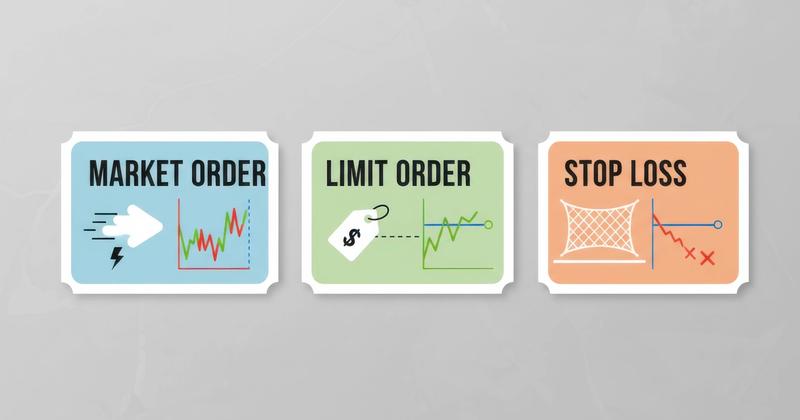
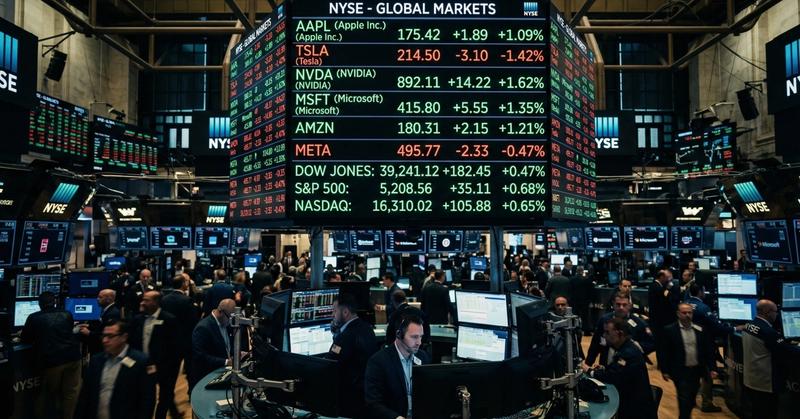
Market Orders vs Limit Orders: When to Use Each
Choosing between a market order and a limit order sounds trivial. It is not. The wrong choice can cost you real money on every trade.

Jul 10, 2026 / 7 min read
After-Hours and Pre-Market Trading: What Beginners Should Know
Extended-hours trading looks like regular trading with different lighting. It is not. The rules are different, the risks are higher, and beginners lose money on both ends without realizing why.
May 10, 2026 / 8 min read
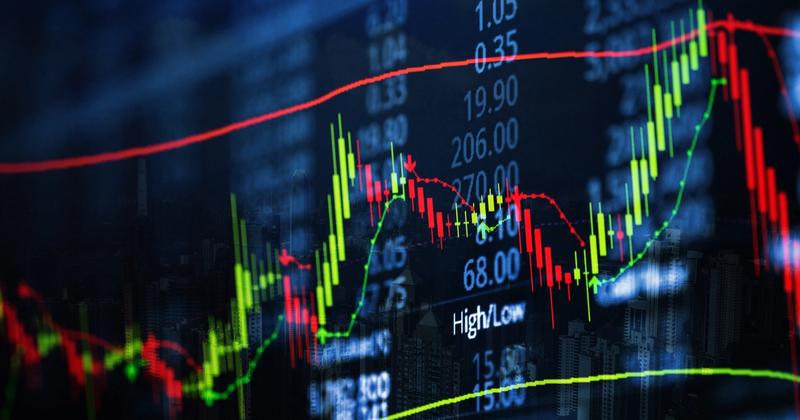
How to Read Candlestick Charts: A Beginner's Guide for 2026
Candlestick charts look intimidating until you learn the language. Here is how to read every candle, the seven patterns that actually matter, and how to use them with context so you stop guessing and start trading.

Apr 22, 2026 / 8 min read
How Much Money Do You Need to Start Day Trading in 2026?
The real cost of day trading broken down by market. Learn the PDT rule, cash account workarounds, crypto minimums, and how to start practicing without risking money.
Apr 13, 2026 / 10 min read
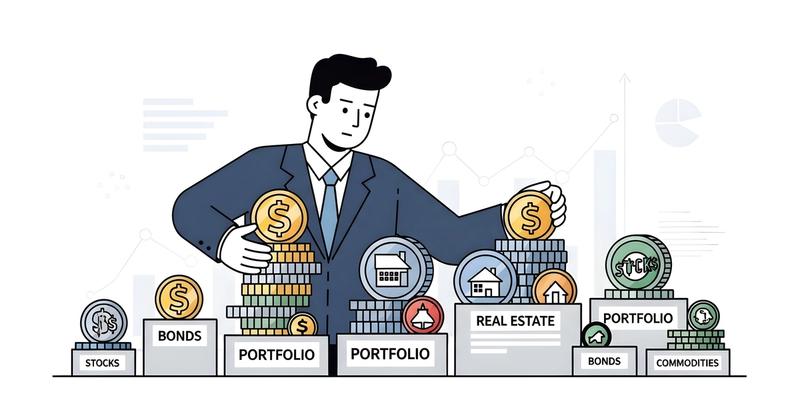
How to Build a Diversified Portfolio That Actually Protects You
Owning 5 tech stocks is not diversification. Learn the 5 layers of real diversification, the biggest mistakes investors make, and a simple 3-fund portfolio anyone can build today.

Apr 11, 2026 / 10 min read
Stock Market for Beginners: How to Start Investing in 2026
New to investing? This step-by-step guide covers everything you need to know to start buying stocks and crypto in 2026, from opening a brokerage account to setting your first stop-loss.

Apr 10, 2026 / 8 min read
How to Start Automated Trading in 2026: A Complete Beginner's Guide
Automated trading is no longer just for hedge funds. Learn how to choose a platform, configure risk parameters, and launch your first AI-powered trading strategy step by step.
JorgAI
Rules that run on every session, in your own brokerage account
Set the stop, the target, the per-trade cap and the daily loss limit once. The auto-trader applies them to every automated order, on the quiet days and the loud ones.
No performance promises. No black boxes. Just the mechanics of disciplined, automated trading.
Try JorgAI